Nobody believed the croissants had sold out
 Platapode ·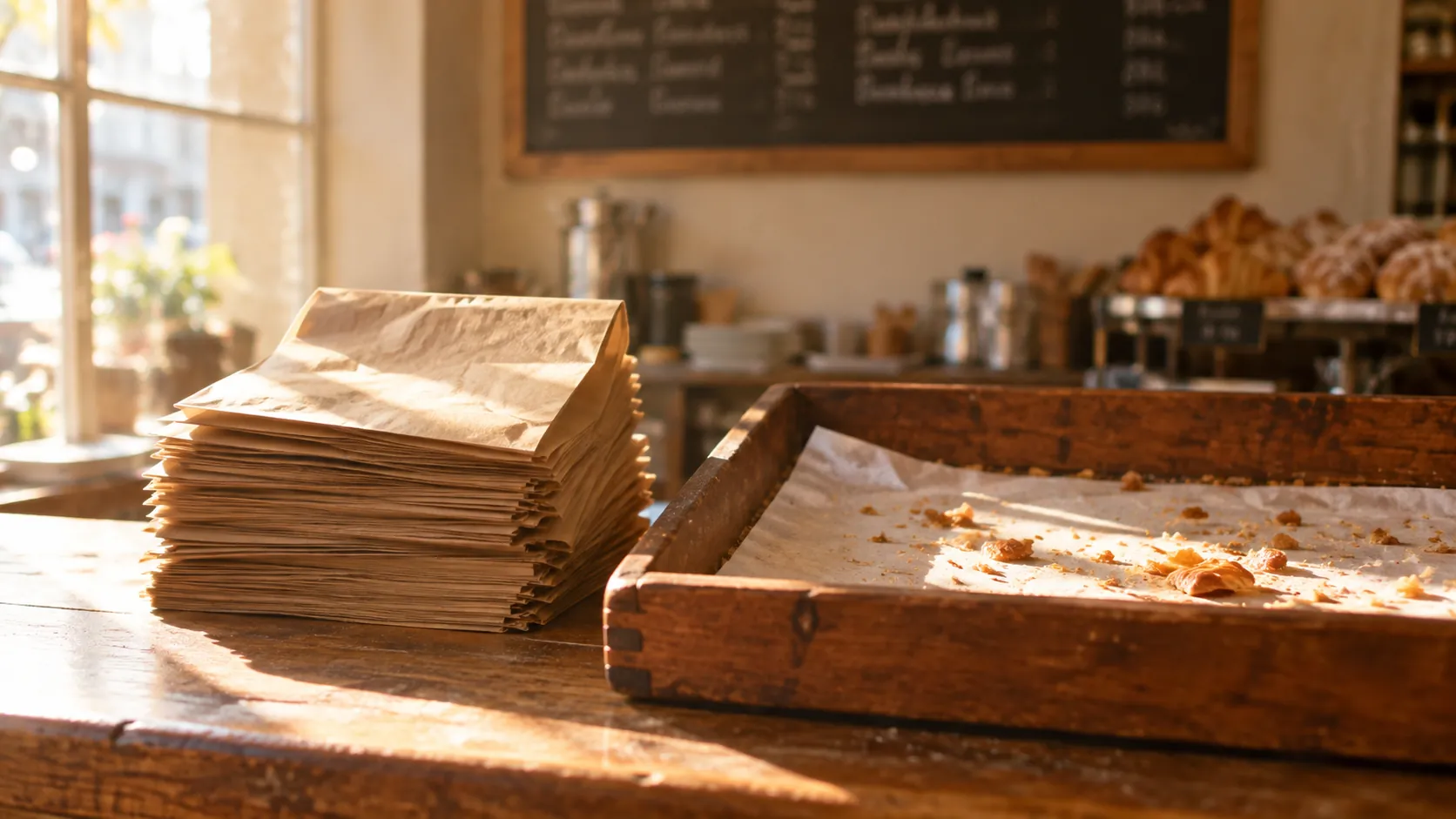
The bakery had a chalkboard by the door, and someone had written across the bottom in big white letters: CROISSANTS — SOLD OUT. It was ten past eight in the morning.
Nobody in the queue believed a bakery had run out of croissants by ten past eight. And every single person, reading that board, wanted a croissant slightly more than they had a minute earlier.
That's the odd bit. Not that a sold-out sign works. Everyone's heard that scarcity sells. And it works on people who don't believe it, standing in a queue, looking straight at it.
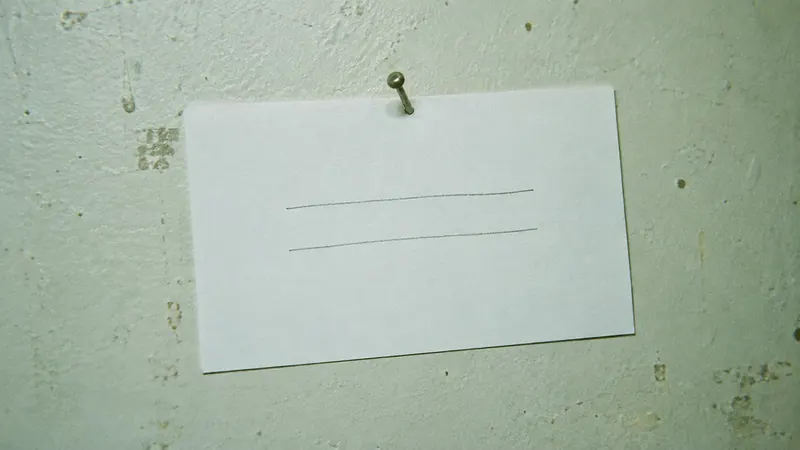
There's an old drawing that's been fooling people for well over a century. Two straight lines, exactly the same length, one with arrowheads pointing out, one with arrowheads pointing in. One looks longer. You can get a ruler, measure both, confirm they're identical, and look again.
It still looks longer.
That's more or less what the queue was doing.
Knowing and wanting live in different places
The illusion survives because seeing and knowing don't happen in the same part of you. Your eyes make their call instantly, before any thinking gets involved. The ruler only reaches the slow, careful part that checks things afterwards. You can inform that part as much as you like. The fast part keeps doing its own thing.
Wanting behaves a lot like seeing. It's quick, it doesn't wait to be consulted, and it isn't much interested in evidence. The knowledge that a sign might be staged sits in the slow, careful part, the bit that reads about consumer psychology and nods along. The pull happens somewhere else entirely, and much faster.
You can see it in the smallest moments. A shop assistant says, "That's actually the last one." You weren't sure you wanted it. Now you are. No new information about the thing arrived. It's the same jumper it was ten seconds ago. Something just moved from the slow part of the decision to the fast part, and the fast part doesn't take instructions.
It doesn't change the croissant
So what does a sold-out sign actually do? It doesn't make the croissants better. It doesn't describe them, praise them or lower the price. It says nothing about the croissant at all.
What it changes is the door. A second ago the door was open, and you could take your time deciding whether you wanted one. Now it's closed, or closing. And we're very quick to react to doors closing, much quicker than we are to weigh up pastries.
That's why scarcity works even when it's openly a choice. A limited edition that everyone knows is limited on purpose still sells out. The limit is announced, explained, obviously deliberate. It doesn't matter. The slow part knows it's a decision. The fast part just sees a door with a time on it.
The queue you can't see
There's a second layer, and it's a social one.
A sold-out sign is really a picture of a crowd. It says other people wanted this, enough of them, early enough, that you missed out. Nobody's actually standing there, but you can feel the queue that must have formed. It's the same pull that makes the full restaurant more tempting than the empty one next door, even when you know nothing about either.
It works on the same principle as the lines. The crowd doesn't need to be real to be felt. It's built from the idea of other people, not from a headcount. Knowing that the crowd might be imaginary is the kind of thing the slow part knows. The fast part is already imagining them, and already feeling slightly left out.
Why the gap doesn't close
You'd think enough exposure would fix it. Most people now know that some sold-out signs are early, some limits are chosen, and some queues are encouraged. Plenty of people could explain the whole trick over dinner.
It doesn't seem to help much, and the lines explain why. Measuring them doesn't cure the illusion. It just means you know you're looking at one. Some buying behaviour changes: people learn to wait, to shrug, to walk away. But the pull itself, that small lurch when the door starts to close, stays exactly where it was.
Part of the reason is that the pull isn't entirely unpleasant. Wanting something you can't have is all longing and no decision. There's nothing to weigh up, nothing to justify, no money to hand over. There's just the want, clean and simple. That's a hard feeling to argue someone out of, because it isn't really an argument in the first place.
So the chalkboard keeps working. The queue keeps reading it. Everyone knows, and everyone looks twice.
The lines are the same length. We've measured. They still look different.